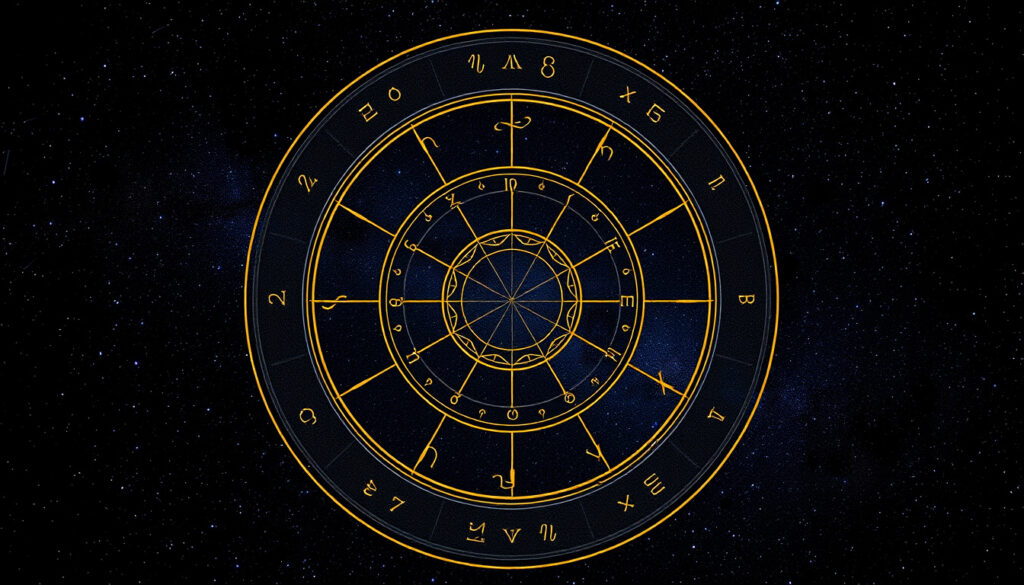
How Many Zodiac Signs Are There? The 12 vs 13 Debate
The question “how many zodiac signs are there” pits astronomical observation against astrological tradition. While the Sun’s path crosses 13 constellations, Western astrology has maintained a 12‑sign system for over 2,000 years.
Traditional zodiac signs: 12 ·
Astronomical constellations along the ecliptic: 13 ·
Origin of the zodiac: 5th century BC (Babylonian)
Quick snapshot
- Western astrology uses 12 signs, each covering 30° of the ecliptic (Space (astronomy & science outlet))
- The Sun’s path crosses 13 constellations, including Ophiuchus (Space)
- Whether Ophiuchus should be considered a zodiac sign in astrology (Wikipedia (community encyclopedia))
- Any causal link between zodiac signs and personality or intelligence (Wikipedia (community encyclopedia))
- The idea of Ophiuchus as a 13th sign emerged in 1970 with author Steven Schmidt (Wikipedia)
- Mainstream astrology continues with 12 signs; Ophiuchus remains an astronomy footnote (Wikipedia)
“Ophiuchus is an unofficial member of the zodiac.” — EarthSky (astronomy & skywatching site)
Four confirmed facts, one pattern: the ancient 12‑sign system is stable, but the night sky tells a slightly different story.
A quick comparison of the numbers clarifies the core confusion.
| Attribute | Value | Source |
|---|---|---|
| Traditional number of signs | 12 | Space |
| Number of constellations in the ecliptic | 13 | Space |
| Oldest known zodiac record | 5th century BC (Babylonian) | Britannica (encyclopedia & reference authority) |
| Commonly cited rarest sign | Aquarius (per US birth data) | The Keeper’s Path (astrology blog) |
How many zodiac signs are there?
In Western astrology, the answer is firm: 12. The zodiac is a belt of 12 signs — Aries through Pisces — each occupying 30° of the ecliptic, the Sun’s apparent path across the sky. This system, which dates back to the Babylonians in the 5th century BC, is based on the seasons and equinoxes, not on the actual constellations.
Are there 13 zodiac signs?
- Astronomically, the Sun’s path crosses 13 constellations when Ophiuchus is included (Space).
- EarthSky confirms that Ophiuchus is “an unofficial member of the zodiac” — the Sun transits its boundaries for about two weeks each year (EarthSky).
- But astrologers divide the ecliptic into 12 equal parts, not using the actual constellation boundaries set by the International Astronomical Union (Wikipedia).
The catch: the 12‑sign system is a symbolic framework, not a map of constellations. Adding Ophiuchus would break the seasonal alignment that astrology relies on.
How many zodiac signs were there originally?
- The Babylonians developed a 12‑sign zodiac around the 5th century BC, likely because 12 fit their lunar calendar (Britannica).
- The Greeks later adapted this system, assigning elements and ruling planets to each sign.
- There is no historical record of a 13‑sign zodiac in mainstream Western tradition before the 20th century (Wikipedia).
The implication: the 12‑sign system has been stable for over 2,000 years. The Ophiuchus debate is a modern phenomenon.
For anyone checking their horoscope, the answer is simple: there are 12 zodiac signs. The 13th constellation is an astronomical curiosity, not an astrological sign.
What is the 13th zodiac sign?
If you’ve heard about a 13th zodiac sign, it’s almost certainly Ophiuchus, the serpent‑bearer. It sits between Scorpio and Sagittarius on the ecliptic. The idea that it might be a “zodiac sign” gained traction in 1970 when author Steven Schmidt proposed a 13‑sign system (Wikipedia).
“Astrologers use 12 of the ecliptic constellations to correspond roughly with zodiac signs and omit Ophiuchus.” — Space (astronomy & science outlet)
Why is Ophiuchus not a sign in astrology?
- Western astrology uses the tropical zodiac, which fixes the signs to the Earth’s seasons, not to the stars (Wikipedia).
- The 12 signs are each exactly 30° wide. Ophiuchus would require an uneven division of the sky (EarthSky).
- Most astrologers reject Ophiuchus because the system is built on seasonal symbolism, not literal constellations (Unwind Magazine (student publication)).
What are the dates for Ophiuchus?
- In a 13‑sign framework, Ophiuchus spans roughly November 29 to December 17 (The Keeper’s Path).
- Wikipedia’s constellation‑boundary table gives a broader range: approximately December 6 to December 31 (Wikipedia).
- These dates shift over time due to precession, the Earth’s slow wobble on its axis.
The pattern: even the dates are up for debate, reinforcing that Ophiuchus is not a standardized sign.
What are the 12 zodiac signs in order?
Whether you’re a seasoned astrology fan or just curious, here’s the classic lineup. The 12 signs in order are: Aries, Taurus, Gemini, Cancer, Leo, Virgo, Libra, Scorpio, Sagittarius, Capricorn, Aquarius, Pisces (Britannica). Each is tied to a specific date range and element.
What are the zodiac signs by month and date?
- Aries: March 21 – April 19
- Taurus: April 20 – May 20
- Gemini: May 21 – June 20
- Cancer: June 21 – July 22
- Leo: July 23 – August 22
- Virgo: August 23 – September 22
- Libra: September 23 – October 22
- Scorpio: October 23 – November 21
- Sagittarius: November 22 – December 21
- Capricorn: December 22 – January 19
- Aquarius: January 20 – February 18
- Pisces: February 19 – March 20
Dates can vary slightly by year due to the Earth’s orbit, but these ranges are the general standard.
What are the meanings of the zodiac signs?
- Aries (fire): Bold, competitive, impulsive.
- Taurus (earth): Reliable, patient, stubborn.
- Gemini (air): Adaptable, curious, indecisive.
- Cancer (water): Nurturing, emotional, protective.
- Leo (fire): Confident, generous, prideful.
- Virgo (earth): Analytical, practical, critical.
- Libra (air): Diplomatic, fair, indecisive.
- Scorpio (water): Passionate, secretive, intense.
- Sagittarius (fire): Optimistic, adventurous, restless.
- Capricorn (earth): Ambitious, disciplined, pessimist.
- Aquarius (air): Innovative, detached, unpredictable.
- Pisces (water): Empathetic, artistic, escapist.
These traits come from astrological lore, not empirical science. But for millions of readers, they’re a useful shorthand for understanding personalities.
Why this matters: the 12‑sign system is consistent and widely recognized. The Ophiuchus debate is a fascinating wrinkle, but it does not change the core framework of Western astrology.
The more you learn about the actual night sky, the more you realize astrology is symbolic. Yet that symbolism is powerful — it shapes how millions read their horoscopes and think about themselves.
Interested in the night sky? Read about What Kind of Moon Is It Tonight? Phases, Dates & Effects.
What are the top 3 rarest zodiac signs?
Rarity depends on birth rates, not astrology. In the US, February is a low‑birth month, making Aquarius (Jan 20 – Feb 18) a commonly cited rarest sign. If Ophiuchus were counted, its narrow date range (Nov 29 – Dec 17) would make it even rarer (The Keeper’s Path).
Is being born under the rarest zodiac sign an astrological blessing?
- There is no scientific evidence that rarity confers any astrological “blessing” or special trait.
- Astrology forums often romanticize rare signs as unique or powerful, but these are anecdotal claims.
What are the top 5 nicest zodiac signs?
- Commonly mentioned: Libra, Pisces, Taurus, Cancer, Sagittarius.
- These rankings are personality stereotypes from popular culture, not data‑driven.
The trade‑off: rarity is a fun fact, but it says nothing about a person’s actual character.
Curious about numbers? See 4444 Angel Number Meaning: Love, Manifestation, Finance.
Which zodiac has high IQ?
No study has ever proven a correlation between zodiac signs and IQ. However, pop astrology lore assigns “high intelligence” to Aquarius, Gemini, and Scorpio. These claims survive because they’re flattering and easy to share.
Who is the fakest zodiac?
- Commonly singled out: Gemini (for being two‑faced) and Libra (for being people‑pleasers).
- These are personality profiles from astrology columns, not empirical findings.
Who is Taurus’ true love?
- Astrology matchmaking often pairs Taurus with Virgo, Capricorn, and Pisces.
- Compatibility is based on element alignment (earth signs match well) but has no scientific basis.
Which planet gives tall height?
- In traditional astrology, Jupiter is associated with growth and expansion, but height is determined by genetics and nutrition, not planetary influence.
The pattern: questions about IQ, fakeness, and love are part of astrology’s cultural appeal — they entertain and help people reflect, but they’re not factual claims.
For skeptics, astrology’s lack of scientific evidence is a dealbreaker. For believers, the system provides meaning and self‑reflection. Both views are valid — just recognize which lens you’re using.
More related posts
 Current Time in California: Is It AM or PM
 Cast of Only Murders in the Building Season 5 Guide
 Godzilla x Kong: The New Empire – Box Office, Reviews & Sequel
 How Much Nicotine Is in a Cigarette? Averages, Brands & Vapes
 Rocky Mountain Chocolate Factory – Locations Menu Caramel Apples Careers
 State Farm Drive Safe & Save: Is It Worth the Trade-Off
 Freestyle Skiing Milano Cortina 2026: Venue, Schedule & Guide
 Low Taper Straight Hair: Does It Work and How to Get It