How to Improve Gut Health: Science-Backed Strategies
Bloating, low energy, unpredictable digestion—these are signs your gut might need some attention. The gut microbiome is home to trillions of bacteria that influence everything from immune function to mood, and research from Johns Hopkins Medicine shows that roughly 70% of your immune cells actually live in your colon. This article walks through science-backed ways to improve gut health, drawing on guidance from NHS, university research, and health authorities to give you practical steps you can start today.
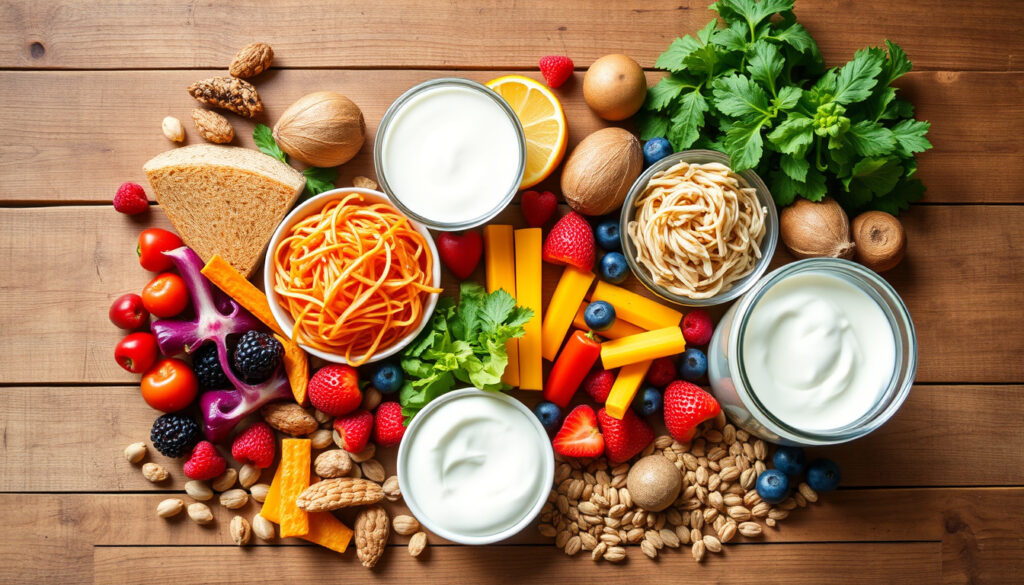
Fibre intake boost: Simplest way to start improving gut health · High fibre diet: Key for gut health · Fermented foods: Support digestion · Polyphenols rich foods: Promote gut health · Hydration: Aids digestion
Quick snapshot
- Fibre and hydration benefits backed by NHS and Johns Hopkins Medicine
- 30 different plant foods weekly linked to greater microbiome diversity (ZOE)
- Exact supplement efficacy varies between individuals
- Specific exercise duration for optimal gut benefits not yet established
- Small dietary changes compound over weeks
- Consistency matters more than dramatic overhauls
- 70% of immune cells reside in the colon (Johns Hopkins Medicine)
- 11% bowel cancer risk reduction per 10g fibre daily (Guts Charity)
| Factor | Recommendation | Source |
|---|---|---|
| Simplest improvement | Boost fibre intake | NHS |
| Key for digestion | Plenty of fluids | NHS |
| Avoid for gut health | Ultra-processed foods | Windsor Digestive Health |
| Supportive foods | Fermented and polyphenol-rich | BHF |
| Daily fibre target | 25 grams | Johns Hopkins Medicine |
| Fluid intake | 1.5 litres daily | NHS |
| Plant variety target | 30 different weekly | ZOE |
| Cancer risk reduction | 11% per 10g fibre daily | Guts Charity |
What are the signs of an unhealthy gut?
Your digestive system often signals when things aren’t balanced. Research from health institutions identifies several key indicators worth paying attention to.
Common symptoms
- Bloating and excessive gas after meals
- Irregular bowel movements (constipation or diarrhoea)
- Food intolerances that seemed to appear recently
- Skin issues like unexplained breakouts or eczema
- Low energy levels that don’t improve with rest
- Frequent illness or slow recovery times
7 key signs
Beyond everyday symptoms, Johns Hopkins Medicine notes that 70% of your immune cells reside in the colon, meaning poor gut health can directly impact your body’s defence system. When fibre fermentation produces short-chain fatty acids, these compounds support cell function throughout your gut lining. Without adequate fibre intake, this process breaks down, leaving you more vulnerable to inflammation and infection.
For anyone experiencing frequent bloating, skin issues, or catching every cold that goes around, the solution may start in the kitchen rather than the medicine cabinet.
How do I fix my gut health quickly?
While there’s no overnight fix, several approaches can jumpstart improvements within days to weeks. The key is targeting the most impactful habits first.
Quick fixes
- Add one tablespoon of linseeds to your breakfast cereal or yogurt—NHS recommends this daily for IBS symptoms
- Swap one refined-carb meal for whole grains
- Include a fermented food with each meal (yogurt, kefir, or sauerkraut)
- Drink an extra glass of water between meals
7 day gut reset
A structured reset can help reset baseline habits. Based on dietary guidance from health authorities, here’s a practical approach:
| Day | Focus | Action |
|---|---|---|
| Days 1-2 | Hydration | Reach 1.5 litres of water daily, plus herbal teas |
| Days 3-4 | Fibre boost | Add oats for breakfast, legumes to lunch |
| Days 5-6 | Fermented foods | Include live yogurt, kefir, or kimchi with meals |
| Day 7 | Review | Note which symptoms improved and what still feels off |
Dr Megan Rossi, a gut health specialist dietitian, recommends eating 30 different plant foods every week. Starting with just three days of focused changes can build momentum for lasting habits.
The implication: beginning with hydration and fibre means you address the two most accessible levers before tackling dietary variety.
How to clean your gut naturally?
The concept of “gut cleansing” is often misunderstood—what science actually supports is supporting natural digestive processes rather than flushing the system.
Natural detox methods
- Eat 25 grams of fibre daily from whole grains, legumes, fruits, and vegetables (Johns Hopkins Medicine recommends this target)
- Reduce high-sugar intake, which damages the gut microbiome according to NHS Fife
- Limit ultra-processed foods that disrupt microbial balance
- Drink 91-125 fluid ounces (8-10 glasses) of water daily for proper gut motility
Colon cleanse at home
Rather than commercial cleanse products, Weill Cornell Medicine recommends a high-fibre Mediterranean-style diet with fruits, vegetables, whole grains, and lean proteins while limiting processed foods. This approach supports the gut’s natural cleansing processes without harsh interventions.
The pattern: fibre and hydration work together to maintain regular elimination without requiring extreme measures.
What to eat to improve gut health?
Food is the most powerful tool for shaping your microbiome. Focusing on variety and specific nutrients delivers measurable results.
Best foods
- Whole grains: Oats, brown rice, quinoa—provide at least 25 grams of fibre daily for optimal colon function
- Leafy greens: Spinach and kale fuel healthy gut bacteria growth via specific sugars (Johns Hopkins Medicine)
- Fermented foods: Live yogurt, kefir, kimchi, sauerkraut introduce good bacteria
- Nuts and seeds: Almonds, walnuts, chia, and flax provide fibre, polyphenols, and omega-3s
- Legumes: Chickpeas and lentils contain prebiotic fibre that supports Bifidobacteria
Worst foods to avoid
- Ultra-processed foods with artificial additives
- High-sugar snacks and beverages
- Refined carbohydrates like white bread and pastries
- Artificial sweeteners, which Windsor Digestive Health notes may disrupt microbiome balance
Sudden increases in fibre can cause temporary bloating. Increase gradually over 2-3 weeks while maintaining adequate fluid intake.
How to improve gut health naturally?
Beyond food, lifestyle factors play a significant role in microbiome health. Small consistent changes often outperform dramatic overhauls.
Lifestyle changes
- Hydration: Weill Cornell Medicine recommends 91-125 ounces of water daily
- Stress reduction: Chronic stress directly impacts gut motility and bacterial balance
- Sleep quality: Irregular sleep patterns disrupt microbiome diversity
- Gentle exercise: Walking and yoga support healthy digestion
Supplements and prebiotics
Prebiotics in fruits, vegetables, nuts, grains, and legumes help desirable gut bugs grow, according to Harvard Health. While probiotic supplements exist, food sources like fermented foods deliver probiotics in a form your body absorbs more effectively.
Men specifically may benefit from paying attention to protein sources and fibre ratios—ZOE’s research shows that gut responses to foods vary significantly between individuals.
The implication: supplements are a secondary consideration; whole foods should be your primary strategy.
Practical steps to improve gut health
Putting this information into action requires a structured approach. Here’s a practical framework based on official health guidance.
- Start with fibre: Add oats to breakfast and legumes to two meals daily. Target 25 grams of fibre per day.
- Add fermented foods: Include one serving of live yogurt, kefir, sauerkraut, or kimchi daily.
- Hit 30 plants weekly: Mix fruits, vegetables, nuts, seeds, and whole grains for microbiome diversity.
- Hydrate properly: Drink 1.5 litres of fluids daily, preferably water.
- Reduce sugar and ultra-processed foods: Swap one processed snack for a whole-food alternative each day.
- Track symptoms: Keep a simple food diary to identify triggers and improvements.
For those used to convenient processed foods, the initial adjustment period can feel restrictive. But most people notice improved energy and reduced bloating within 2-3 weeks—making the short-term effort worthwhile.
What we know versus what needs more research
Confirmed facts
- Fibre from whole grains supports colon function and short-chain fatty acid production (Johns Hopkins Medicine)
- Mediterranean diet linked to 11% decreased bowel cancer risk per extra 10g fibre daily (Guts Charity)
- 30 different plant foods weekly increases microbiome diversity (ZOE)
- Fermented foods introduce beneficial bacteria to the gut (BHF)
What needs more research
- Specific exercise duration and intensity for optimal gut benefits
- Precise mechanisms behind individual variation in gut responses
- Long-term outcomes data for the 30-plant rule
“One of the strategies I recommend is to eat 30 different plant foods every week.”
— Dr Megan Rossi, gut health specialist dietitian (BHF)
“Food works best [to deliver probiotics to your body] because of how it’s digested and absorbed.”
— Bard, nutritionist (Gaucher Disease Org)
“Food diary for triggers is one of the most effective tools we have for personalising gut health advice.”
— NHS Nutritionist, NHS dietary guidance (NHS)
The implication: most people can meaningfully improve their gut health through dietary changes alone, without supplements or specialised products. The science is clear on fibre, fermented foods, variety, and hydration—these basics deliver results.
Related reading: is fasting good for you · pre heart attack symptoms female
Boosting fibre works best when paired with probiotics for gut health, which target specific strains to enhance microbiome diversity and digestion.
Frequently asked questions
How to improve gut health for men?
Men can follow the same core recommendations: increase fibre to 25 grams daily, include fermented foods, reduce ultra-processed foods, and stay hydrated. Research shows gut responses to foods vary between individuals, so tracking what works for your body helps personalise the approach.
What supplements improve gut health?
While probiotic supplements exist, health authorities note that prebiotics from whole foods often work as well or better than supplements. Food sources are generally preferred unless a specific deficiency exists.
What are the worst foods for gut health?
Ultra-processed foods, those high in added sugars, refined carbohydrates, and artificial sweeteners are linked to microbiome disruption. NHS Fife specifically cites high sugar intake as damaging to gut bacteria balance.
How to improve gut health and bloating?
NHS recommends eating oats regularly and up to 1 tablespoon of linseeds daily to ease IBS symptoms like bloating. Increasing fibre gradually and maintaining adequate hydration also helps reduce bloating over time.
What are 7 conditions linked to poor gut health?
Research links poor gut health to digestive disorders, compromised immunity, skin conditions, mood disturbances, inflammation, metabolic issues, and increased infection susceptibility. The Johns Hopkins Medicine finding that 70% of immune cells live in the colon explains this broad connection.
How do I detox my guts?
Rather than commercial detox products, support your body’s natural processes by eating 25 grams of fibre daily, drinking 1.5 litres of fluids, reducing sugar and ultra-processed foods, and including fermented foods. Weill Cornell Medicine recommends a Mediterranean-style diet as the most evidence-based approach.
What is the 7 day gut reset?
A practical 7-day reset focuses on one habit per phase: hydration (days 1-2), fibre boost (days 3-4), fermented foods (days 5-6), then review symptoms on day 7. This gradual approach, supported by NHS guidance, helps establish sustainable habits without overwhelming your system.
More related posts
 Dead Island 2 Review: Gore, Combat & LA Zombie Fun
 Tampa Bay Buccaneers vs Houston Texans 2025: Score & Highlights
 Brooklyn Nets vs Lakers Match Player Stats: 2026 Scores & Leaders
 Carlos Sainz Jr. 2025: Girlfriend, Ferrari Exit, Williams Move
 Inter Miami vs Whitecaps: MLS Cup 2025 Final Recap
 When is Super Bowl 2025? Date, Time, Teams & Halftime Show
 Easy No-Knead Sourdough Bread Recipe for Beginners
 Blue Jays vs Yankees Player Stats: Game Analysis